Why Sustainable Landscaping Matters: Tips for Eco-Friendly Garden Design Mar 17, 2026
To begin with, sustainable landscaping involves using environmentally friendly practices and materials in the construction and maintenance of your landscape. This approach reduces waste, conserves energy, and provides habitats for local wildlife. One of the key components of sustainable landscaping is water conservation. By choosing native and drought-tolerant plants, you can significantly reduce the amount of water your garden requires. These plants are naturally adapted to the local climate and soil conditions, requiring less maintenance and providing essential food and shelter to indigenous insects and birds.
Another important aspect is soil health. Healthy soil not only supports plant life but also plays a crucial role in the ecosystem by storing carbon and filtering water. Incorporating organic matter into your garden, such as compost, can improve soil structure and fertility. This not only enhances plant growth but also minimizes the need for chemical fertilizers, which can run off into waterways and cause pollution.
When designing an eco-friendly garden, consider incorporating rain gardens and permeable paving. Rain gardens are shallow depressions planted with native vegetation that help to capture and filter rainwater. This reduces runoff and can prevent minor flooding, all while providing a lush, beautiful habitat for local wildlife. Similarly, permeable pavements allow water to soak through the surface, reducing runoff and encouraging natural water cycles.
Energy efficiency is another critical factor in sustainable landscaping. By strategically placing trees and shrubs around your property, you can reduce heating and cooling costs. Trees provide shade in the summer, lowering home temperatures and reducing air conditioning needs. In winter, evergreen trees can act as windbreakers, decreasing your heating requirements.
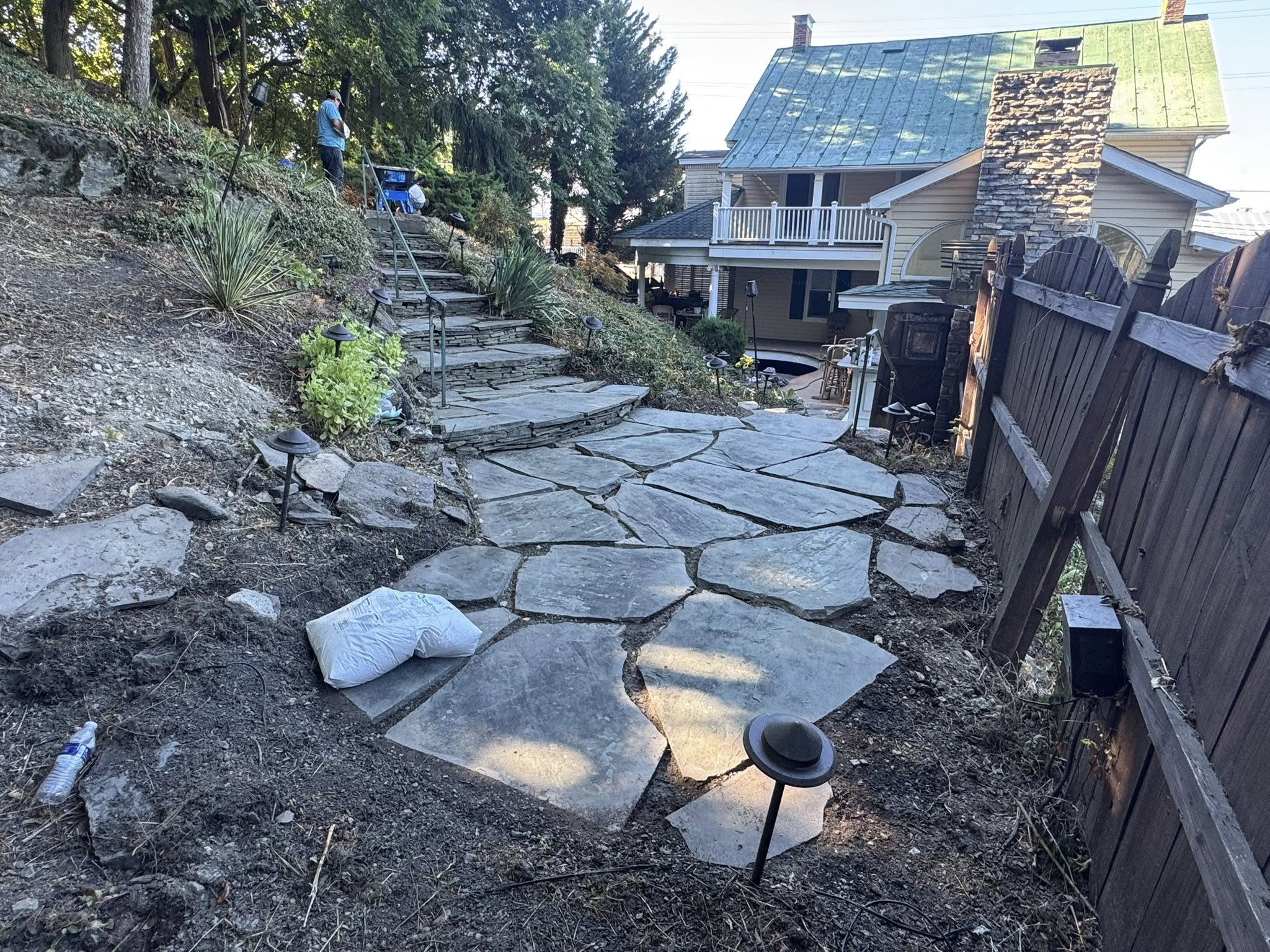
Additionally, consider utilizing eco-friendly materials in hardscaping features. Using reclaimed wood, recycled metal, or sustainably sourced stone not only adds charm and character to your garden but also reduces the environmental impact of your landscaping project. These materials often have a longer lifespan and reduce the demand for new resources.
Lastly, fostering biodiversity is essential in eco-friendly garden design. Diversity in plant species not only makes your garden more visually appealing but also supports a variety of wildlife, from beneficial insects to birds and small mammals. Creating layers within your garden by including groundcovers, shrubs, and taller canopy trees can provide different habitats and food sources for various species.
In conclusion, sustainable landscaping is not only better for the environment but can also create a more resilient and beautiful garden. By incorporating native plants, conserving water, improving soil health, and utilizing eco-friendly materials, you can design a garden that is both aesthetically pleasing and environmentally supportive. At Inestroza Landscaping, we are committed to helping you achieve a landscape that reflects your values and contributes positively to the environment. Sustainable landscaping is a meaningful way to nurture your outdoor space while contributing to a healthier planet.
/filters:no_upscale()/filters:format(webp)/media/e0359afb-88b3-4fdb-943e-34f3118b0c32.jpeg)