Sustainable Landscaping: Eco-Friendly Practices for a Greener Yard Mar 10, 2026
To begin with, selecting native plants is a cornerstone of sustainable landscaping. Native plants are those that occur naturally in a particular region, climate, or ecosystem. They require less water, are more resistant to local pests, and promote biodiversity. Consider integrating local varieties of flowers, shrubs, and trees into your landscape design. Not only do these plants thrive with minimal care, but they also support local wildlife, such as pollinators like bees and butterflies.
Water conservation is another critical aspect of eco-friendly landscaping. Traditional lawns are often water-intensive and demand frequent irrigation. To minimize water usage, consider installing a drip irrigation system that delivers water directly to plant roots. These systems are more efficient than traditional sprinklers as they reduce evaporation and runoff. Additionally, rain barrels can be installed to collect rainwater from your roof, providing a free and sustainable water source for your garden.
Reducing chemical use is paramount for a greener yard. Conventional fertilizers and pesticides can harm beneficial insects, poison wildlife, and contaminate water supplies. Opt for organic fertilizers made from natural ingredients that enrich the soil without introducing harmful chemicals. Integrated pest management (IPM) strategies, which involve using biological controls such as beneficial insects or natural plant defenses, can replace chemical pesticides.
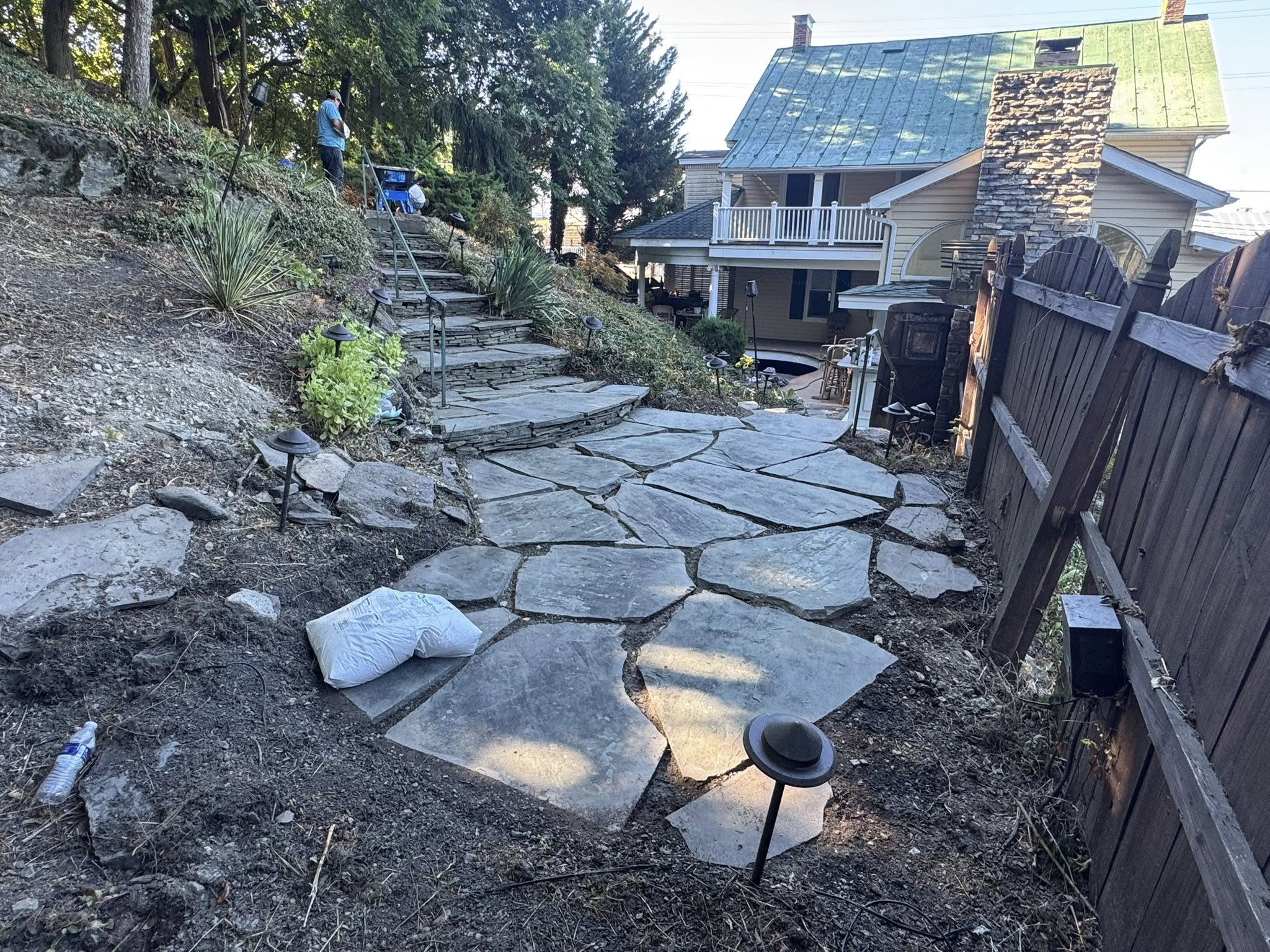
Incorporating hardscaping elements such as gravel paths, stone patios, or permeable pavers not only enhances the aesthetic appeal of your yard but also improves its sustainability. Hardscaping reduces the amount of lawn area, thus lowering water demand and maintenance. Permeable materials, in particular, allow rainwater to seep into the ground, reducing runoff and helping to recharge local groundwater supplies.
Composting is another eco-friendly practice that benefits both the environment and your garden. By composting kitchen scraps and yard waste, you can create nutrient-rich soil amendments that improve soil health and plant growth. Composting reduces landfill waste and decreases the need for synthetic fertilizers.
Mulching is a simple yet effective way to maintain soil moisture and suppress weeds. Spread a layer of organic mulch around your plants to protect the soil from erosion and temperature fluctuations. Over time, the mulch breaks down, adding organic matter to your soil and further reducing the need for fertilizers.
Finally, consider the role of sustainable landscape design in creating energy-efficient homes. Strategic planting of trees and shrubs can provide shade during the hotter months, decreasing your reliance on air conditioning. Similarly, evergreen trees can act as windbreaks in the winter, reducing heat loss and lowering energy costs.
In conclusion, sustainable landscaping practices can dramatically transform your yard into an eco-friendly paradise, benefiting both the environment and your personal well-being. At Inestroza Landscaping, we believe in harnessing nature's power to create spaces that are not only visually stunning but also sustainable. By implementing these simple practices, you can enjoy a lush, green yard that supports local ecosystems and conserves precious resources. Let’s work together to make your landscape a beautiful reflection of your commitment to a greener planet.
/filters:no_upscale()/filters:format(webp)/media/e0359afb-88b3-4fdb-943e-34f3118b0c32.jpeg)