Designing for Diversity: How To Incorporate Native Plants into Your Landscape Jun 22, 2026
The first step in designing a native plant landscape is understanding the benefits they offer. Native plants require less water, fertilizers, and pesticides, making them a cost-effective choice. They support the local ecosystem, providing essential resources for native wildlife, including pollinators such as bees and butterflies. Additionally, native plants can significantly reduce maintenance needs due to their adaptation to local environmental conditions.
Next, it’s crucial to get acquainted with plants native to your area. Inestroza Landscaping recommends starting by researching local flora and consulting with local horticultural experts. Visiting native plant nurseries and botanical gardens can also provide insightful examples of how these plants can be used effectively in landscapes. It is often helpful to observe how native plants grow in local environments to mimic similar conditions in designed spaces.
Planning your landscape should take into account the specific needs and characteristics of plants, such as their sunlight requirements, growth patterns, and potential mature size. Group plants with similar water and light needs together to ensure they thrive. Consider the natural habitats these plants are found in and try to replicate them. For example, if a particular plant thrives in a woodland area, it should be placed in a shaded part of the garden with other shade-loving plants.
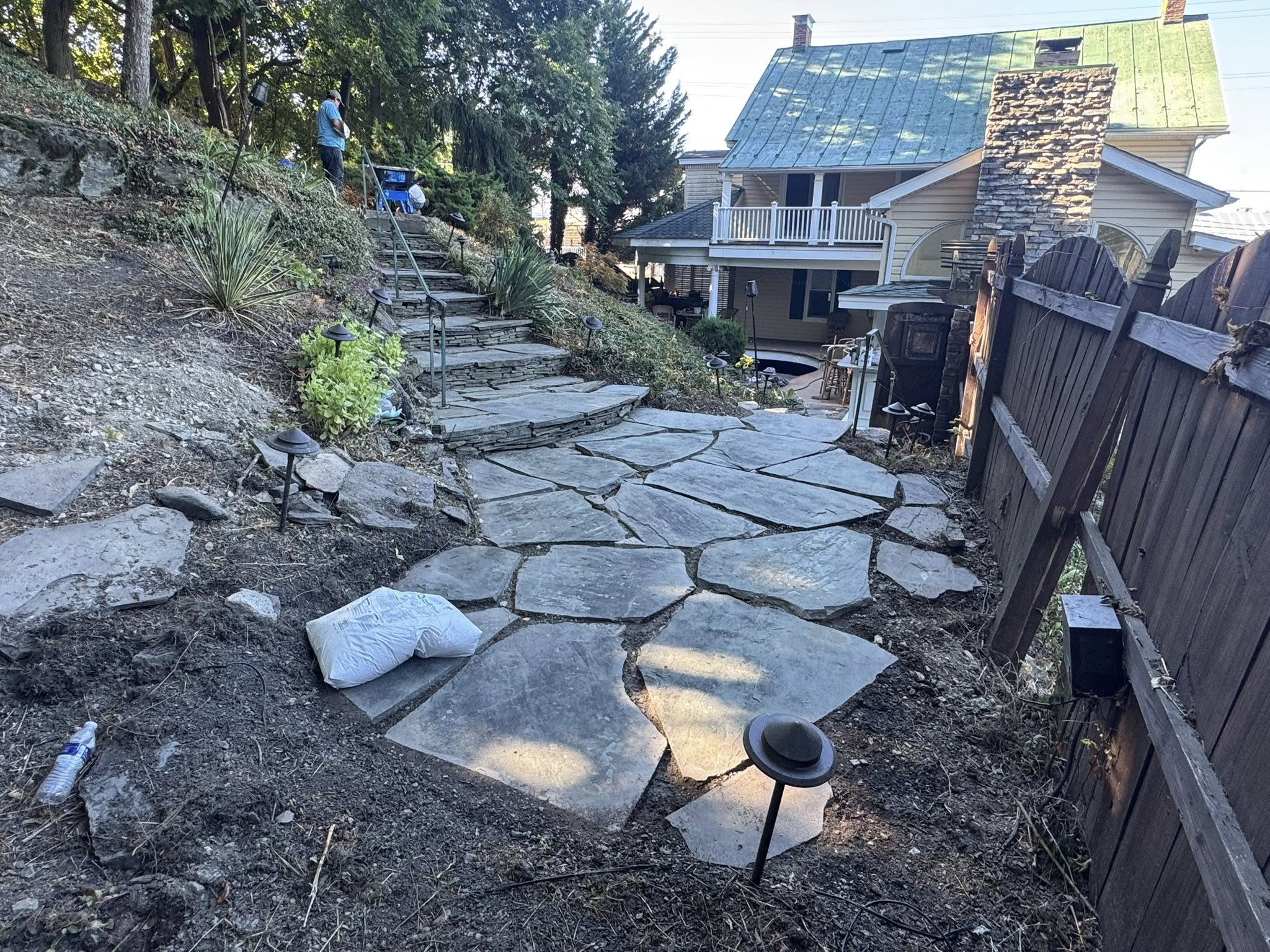
When incorporating native plants into existing landscapes, one must consider the aesthetics as well as the ecological fit. Blending native plants with existing non-native structures or hardscapes can create a cohesive and aesthetically pleasing design. Use native grasses or wildflowers to fill in gaps around paths or patios, or create focal points with native shrubs or small trees. This method maintains the overall style of the space while integrating ecological benefits.
Maintenance is an essential aspect of any landscape, and native plant gardens are no exception. While they require less intervention than non-native plants, regular care ensures they remain healthy and vibrant. Routine tasks might include seasonal pruning, monitoring for pests or diseases, and ensuring soil health through occasional composting.
Educating yourself and creating a detailed plan can transform a basic landscape into a rich ecosystem thriving with native plants. Homeowners might be concerned about the initial unusual appearances of some native plants. However, education and demonstration can showcase the beauty and practicality of these species, highlighting their ability to withstand local climate issues while enhancing the biodiversity of the area.
In conclusion, incorporating native plants into your landscape not only beautifies your space but also nurtures the environment. By adopting a thoughtful approach to selecting and planting native vegetation, Inestroza Landscaping can help create landscapes that are sustainable and harmonious with nature. This method enables homeowners to enjoy their outdoor spaces while contributing to the well-being of local flora and fauna. Embrace the natural beauty and resilience of native plants to enhance your landscape's diversity and appeal.
/filters:no_upscale()/filters:format(webp)/media/e0359afb-88b3-4fdb-943e-34f3118b0c32.jpeg)